Term Dates
DONATE
Term Dates
DONATE
Curriculum Subjects

Drama

Department
Performing Arts
Level
A-Level, GCSE, KS3
Building
Central
Subject Leader
Miss K Turner
Drama

Subject Overview

Drama and Theatre education at its very best enriches a person’s life; creatively, culturally and socially. Our ambition is that all students recognise the intrinsic value of the subject, that every student has the opportunity to experience theatre of the highest quality, and that the high expectations of all, leads to collaboration and performances achieved with impressive levels of professionalism.  

Our curriculum and teaching practice is built upon three core values and beliefs: Firstly, that high quality Drama education encourages our young people to grow in confidence, to nurture their emotional intelligence, to become skilled and effective communicators and to feel more alive and more connected.  Secondly, that an ambitious study of theatre demands intellectual curiosity, self-reflection and highly developed skills of analysis and evaluation. Finally, we believe that every child has the right to experience, appreciate and have opportunities to engage with the broad skill set required to achieve theatrical excellence.  

We are aiming to create the theatre-makers of tomorrow, who have a voice and a conscience and who want to make work of value, reflecting the world around them and considering stories from the personal to the global.  

Teachers

Miss Kate Turner 

Drama Teacher

Ms Rebecca Olaleye

Drama Teacher


Curriculum Intent

Our intention at KS3 is to equip students with the wide range of performance strategies needed as a foundation for further study of Drama. We teach these skills through varied units, which explore theme, story and historical events; this ensures that students are not only developing the skills needed to make thoughtful work, but also that they are engaging in the world around them. The other primary focus at KS3, is to foster a culture of mutual respect and support, teaching students the importance of positive communication, group work skills and creative problem solving.

In KS4, much of what we do is directly linked to the Eduqas GCSE Drama specification – teaching the set texts, written exam technique and building on the practical skills needed to succeed. We introduce students to a range of influential theatre practitioners and companies, who inform their work at GCSE. We also run mock units across Years 9 and 10, to ensure students are ready and prepared for the demands of the course. The first half of Year 9 acts as a foundation course, building the creative language and resilience needed to access the GCSE units.

KS5 follows a very similar structure to KS4, although we follow the Edexcel specification at this level. The focus at KS5 is on developing the originality of theatre making and broadening students understanding of the theatrical landscape through exploring more diverse texts, influential theatre makers and working with industry professionals where possible. Academic rigor also increases to support the demands of the A Level course.

Key Stage 3

KS3 Booklet
Year 7 Overview

Students are taught the following topics in Year 7:

  • Peter Pan – Watching, analysing and evaluating live theatre
  • Time Travel– Imagination and storytelling.
  • Matilda– Character work
  • Rabbit Shoots the Sun– Physical theatre and more stylised drama
  • Greek Theatre– Historical style of theatre, choral work
  • The Arrival – Story of displacement and immigration – exploring new perspectives
Year 8 Overview

Students are taught the following topics in Year 8:

  • Macbeth– Classic text-based work with a focus on ensemble storytelling
  • A Monster Calls – Watching, analysing and evaluating live theatre
  • Georg’s Suitcase– Exploring a family’s experience of the holocaust, demanding much more maturity and thoughtfulness from students. Beginning to move towards GCSE-style workshops
  • Curious Incident of the Dog in the Night-time – Exploring a more contemporary text and exploring a character who for many seems ‘different’ from them – considering how others experience the world
  • Theatre in Education (Social Media)– Exploring a specific type of theatre and marrying it with a contemporary social issue.
  • Melodrama – Physical comedy and theatre history

Key Stage 4

KS4 Syllabus
GCSE Overview

Students are taught the following topics in Years 9 to 11:

Year 9:

  • Surrealism– This is designed to push the students and make them realise that theatre can be much more than is seen at KS3 – introduction to Artaud and Grotowski.
  • Stephen Lawrence– This scheme explores the events and issues surrounding the murder of Stephen Lawrence – students are introduced to verbatim theatre and monologue.
  • Bouncers– Text-based unit – Students explore this highly comedic script and the stylistic features of John Godber. Through this study they are also introduced to Component 3 written exam structures
  • Theatre Review– students see a live production and are introduced to the skills of review writing.
  • Scripted Mock – Students are introduced to, and complete, a Component 2 mock.
  • Devising Mock– Students are introduced to, and complete, a Component 1 mock.
  •  

Year 10:

  • Introduction to practitioners– Stanislavski, Brecht, Frantic Assembly.
  • Study of Set Text – DNA– Practical workshops and written exam practice is completed side by side.
  • Scripted unit– Students complete a Component 2 mock.
  • Theatre Review– Students see a live production and develop the skills of review writing.
  • COMPONENT 1– Students complete their devising unit and accompanying portfolio (40% of their final grade.)

Year 11:

  • Re-Cap DNA and exam practice
  • Theatre Review– Students see a live production and develop the skills of review writing prior to Year 11 mock. Mocks.
  • COMPONENT 2– Students complete their scripted performance unit and perform to an external examiner.

Key Stage 5

KS5 Syllabus
A-Level Overview

Students are taught the following topics in Years 12 and 13:

Year 12:

  • Practitioner Workshops – Developing and deepening students’ understanding of influential practitioners (Artuad, Stanislavski, Brecht and Frantic Assembly), as well as introducing the work of PunchDrunk and Paperbids theatre companies.
  • Study of Set Text – Colder Than Here – Students complete practical exploration of the text as well as exam question practice alongside this.
  • Study of Set Text – Woyzeck – Students create their own directorial interpretations for the text. Work on this will be completed throughout the year.
  • COMPONENT 1 – Devising – Students begin their devising unit and written portfolio which is internally assessed. Revision and internal examination week.
  • Live Theatre Review – Students see some live theatre and are introduced to the style of questions asked in the exam and exam technique for responding to these questions.
  •  

Year 13:

  • COMPONENT 1– Devising – Students complete their devising unit and written portfolio which is internally assessed.
  • COMPONENT 2 – Students complete their scripted performance unit – 1 group piece and 1 monologue is performed to an external examiner.
  • COMPONENT 3 – Revision, exam technique and study leave. Students sit their exam in the summer.

Extra and Co-Curricular Experiences

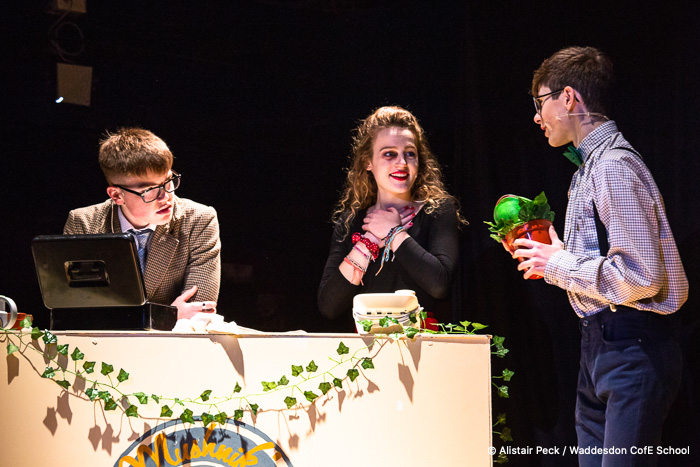
  • Whole School Show
  • Theatre Trips
  • WaddFest
  • Visiting Theatre Companies
  • KS3 Drama Club in Spring and Summer Terms
  • Theatre Screenings in school
  • Upper School Production in Summer Term

Additional Curriculum Opportunities for our High Prior Attainers

  • Directing opportunities
  • Script writing opportunities
  • Lesson support and challenge opportunities

Waddesdon Church of England School’s Assessment and Feedback Policy. At Waddesdon our aim is for assessment to be:

  • Meaningful
  • Motivational
  • Manageable