Our daily routines and educational practice are rooted in the twin values of Dignity and Respect.

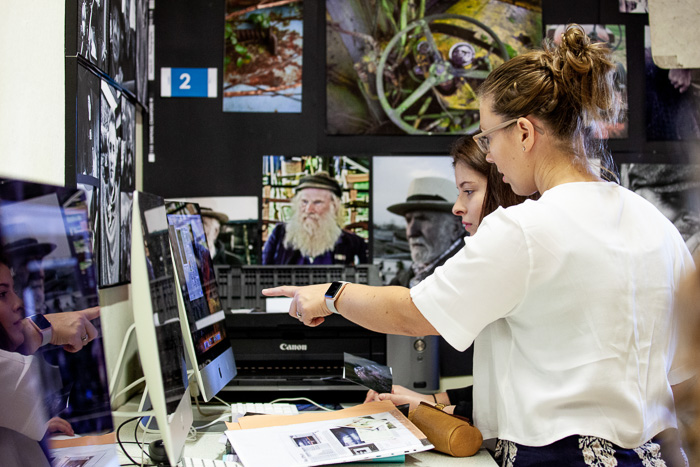
In Media Studies, our aim is to develop students’ critical awareness of how media creates content, influences audiences and shapes understanding. Students study a wide range of media forms, including advertising, magazines, television, music videos, film, online media, video games, newspapers, and radio. A key focus of the course is applying theoretical frameworks to analyse media texts and contexts. Students then evaluate these theories and knowledge of the media texts in their essays. Their coursework applies their knowledge as students create media products that reflect professional standards.
Mrs Lauren HaggertySubject Leader for Media Studies |
Miss Sarah CaswellMedia Studies Teacher |
Media Studies at Waddesdon is a subject that promotes and uses curiosity, critical thinking, and creativity. Our aim is to develop students who question, analyse, and create with enjoyment, confidence and sophistication. Media Studies teaches important skills of understanding and empathy with how different groups of people and issues are presented and helps to support the values of dignity, respect and kindness.
Curious
We want students to be curious about the ways media influences audiences and shapes meaning. We inspire curiosity through a range of engaging, diverse media texts—from advertising, magazines, television, music videos, film, online platforms, video games, newspapers and radio. Students explore how media reflects and constructs cultural, social, and political ideologies. They investigate media from different historical periods and cultures, developing cultural capital and sensitivity. This curiosity extends to understanding the current, global media landscape and the forces—economic, technological, and ideological—that shape it.
Critical
We intend to develop students’ critical awareness of the media. Media Studies requires students to show critical thinking about media products: some current, some historical, media with very different target audiences, including media from other cultures.
To analyse media products rigorously, students learn and apply theories about media representation, audience, industry and language. Students learn to construct well-structured, nuanced arguments in essays and examinations, developing resilience and independence in responding to texts. By interrogating representations of people, places, and events, students cultivate an informed, ethical perspective on the media’s role in society. Ultimately, we wish students to flourish socially and academically through taking a critical approach to the ideas and media in the world around them.
Creative
Creativity is at the heart of Media Studies. Students apply their knowledge through practical coursework, producing media products that reflect professional standards. Students work to specific briefs, designing websites, magazines, and audiovisual content using different software, much of it that is industry standard, such as Photoshop, InDesign, and Premiere Pro. This process nurtures creativity, technical proficiency, and confidence in digital skills, preparing students for future academic and professional challenges.
We know that motivation and academic success open pathways to successful, happier lives. Media Studies helps to raise aspirations as it welcomes students of all abilities, as the curriculum is inclusive and engaging. For example, the study of compelling media texts—such as crime dramas, advertisements, and online media—captures interest and motivates students to achieve highly. We believe that Media students flourish when they are inspired to become curious learners, enthused to work hard and expected to achieve highly.
Students are taught the following topics in Years 12 and 13:
Year 12:
For each of these topics, students study specific 2 contrasting media texts e.g. The Guardian versus The Daily Mail. They learn theories, terminology and knowledge of the relevant products, target audience, explore their representations, the media industry and context they are a part of.
Year 13:
In Year 13, students will continue and deepen their study of new products, theories and terminology and deepen their understanding from Year 12.
Media Studies provides co-curricular experiences with film screenings, Sports Day jobs (like Photography) and Creative Industries Careers workshops. Students will develop knowledge and skills that are relevant for courses like Business, as every media product is produced and selling itself to an audience; Photography, Graphics, IT and Drama, as practical work develops skills in photography, graphics, video, editing, IT, performing and directing, and English and History, as students critically analyse texts and consider context.
Some students choose to do an EPQ to extend their knowledge. High Prior Attainers often assume roles as leaders in the class and in group work, offering models of writing, pursuing extended reading and research outside of lesson. Many students involve themselves in creating, editing and delivering assemblies, using skills and knowledge they have gained in Media Studies. Every year, there are about 3-5 students who pursue University Courses in Media Studies and related courses like Digital Marketing, Graphics and Sports Journalism. This suggests that our teaching challenges and inspires able students and provides a direction for students of different abilities.

Waddesdon Church of England School’s Assessment and Feedback Policy. At Waddesdon our aim is for assessment to be: